Menu

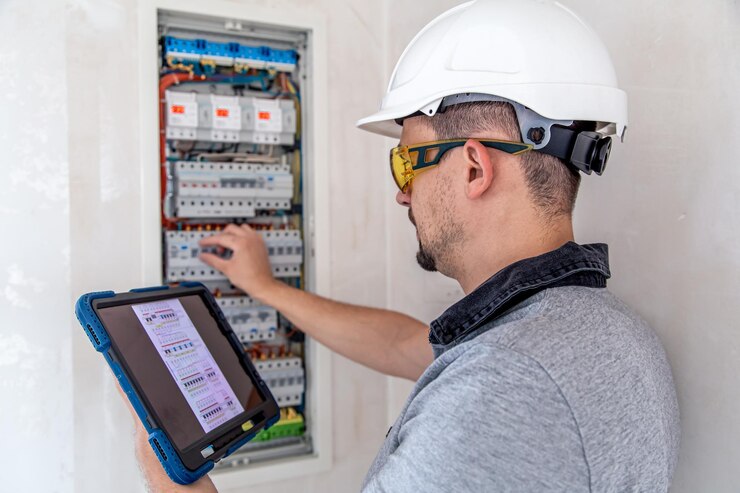
An Electrical Installation Condition Report (EICR), often called an electrical certificate, plays a vital role in ensuring the safety and compliance of your property's electrical infrastructure. This comprehensive examination assesses the state of your electrical systems, including wiring, fuse boards, and earth bonding, alongside other crucial but less visible components.

An EICR is a diagnostic tool that uncovers any faults, wear and tear, or potential hazards within your electrical installations. It not only highlights areas of concern but also recommends measures for enhancements to uphold safety standards in line with current electrical regulations. For landlords, presenting a valid Landlord's Electrical Safety Certificate is equivalent to holding an EICR, asserting the safety of the dwelling's electrical setup. For homeowners, scheduling an EICR once every ten years for privately-owned property is advisable. Landlords, however, should be more vigilant. A failure to meet the required safety standards, as confirmed by an EICR, can lead to significant fines, reaching up to £30,000 for rental properties not in compliance.
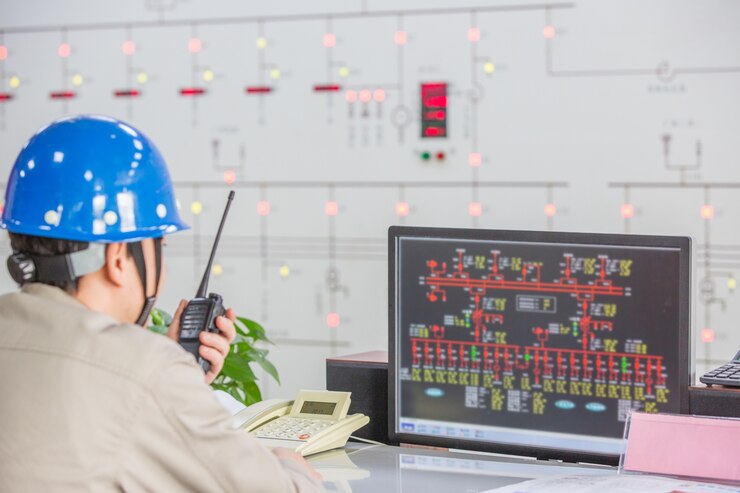
An EICR involves a detailed examination of the property's electrical circuits, which can be determined by counting the switches on the fuse board. Each small switch, or circuit breaker, indicates a single circuit, while larger switches typically represent the RCDs (Residual Current Devices). It's important to note that EICR doesn't extend to Portable Appliances. To ensure these items are safe and fit for their intended use, a separate PAT (Portable Appliance Testing) is necessary.
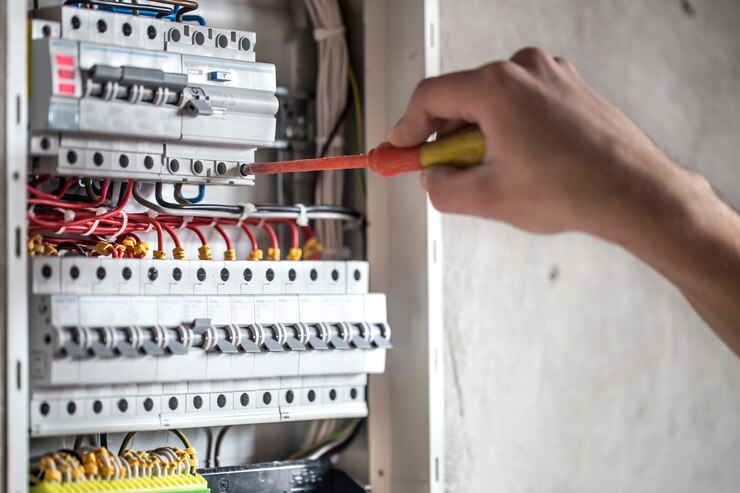
Ensuring the electrical safety of your property not only protects the inhabitants but also adheres to legal requirements, potentially saving you from hefty penalties. Investing in an EICR is a proactive step towards compliance and peace of mind, knowing your electrical systems are scrutinized for potential risks and aligned with the latest safety regulations. Regularly updating your electrical safety practices contributes significantly to the overall well-being of your property. By understanding the importance and mechanics behind an Electrical Installation Condition Report, you take a pivotal step in responsible property management and safety assurance.